For freelancers
AI for freelancers: do the work you love, then log off.
Solo is not small today. Let AI take the jobs around the work.
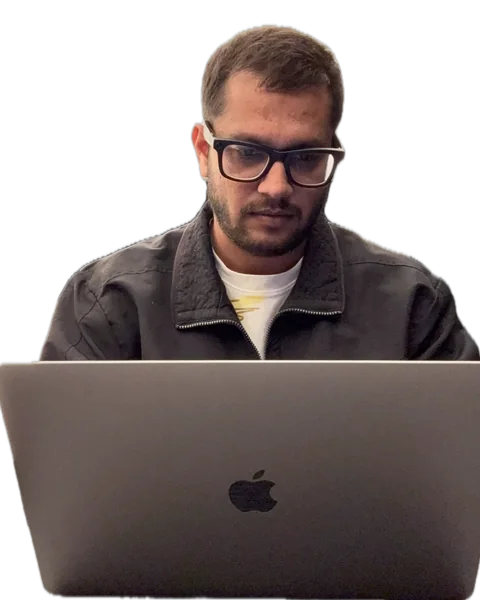
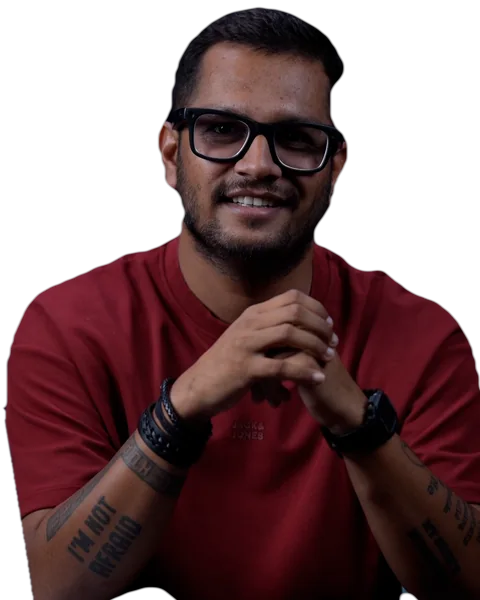
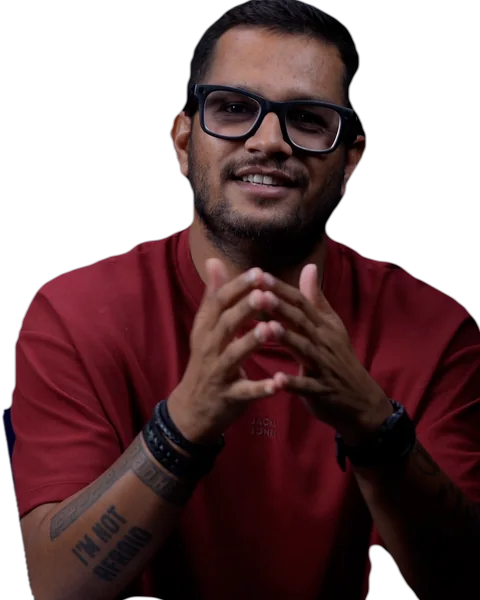
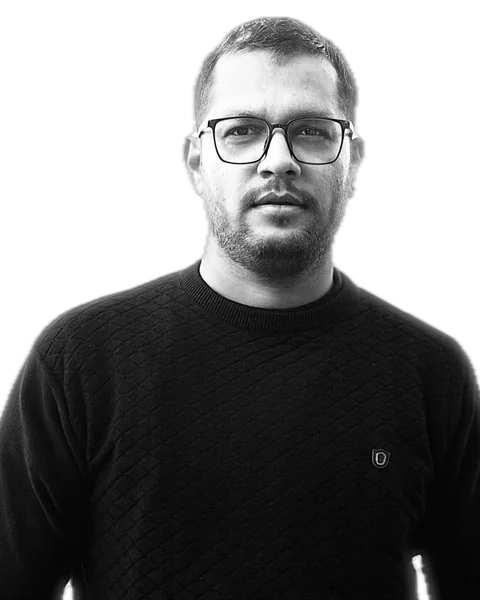
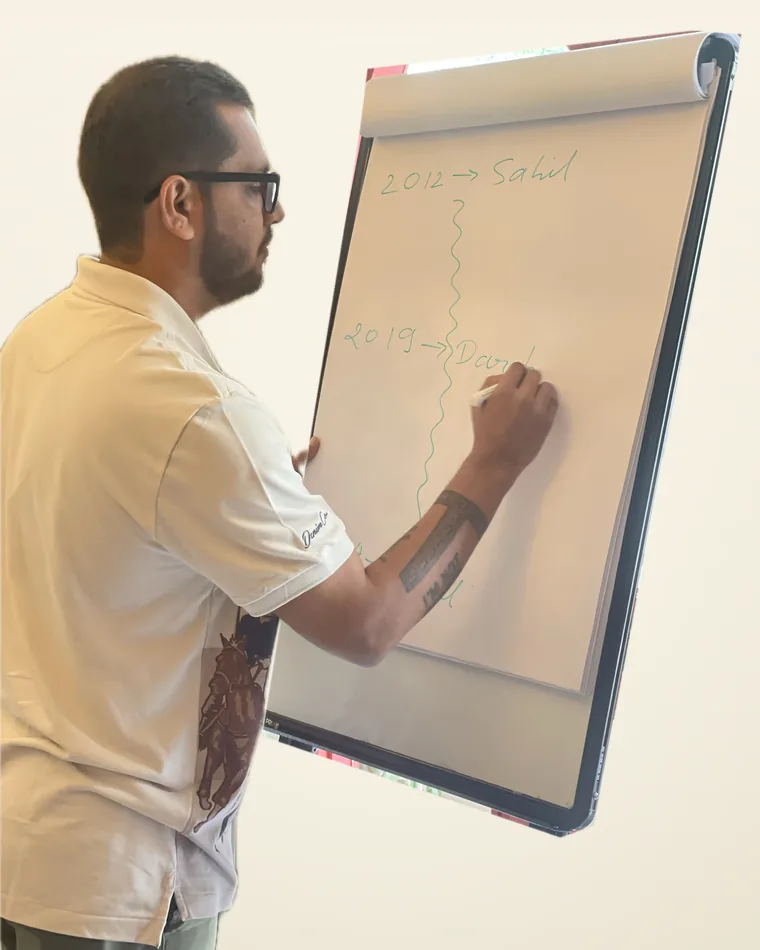
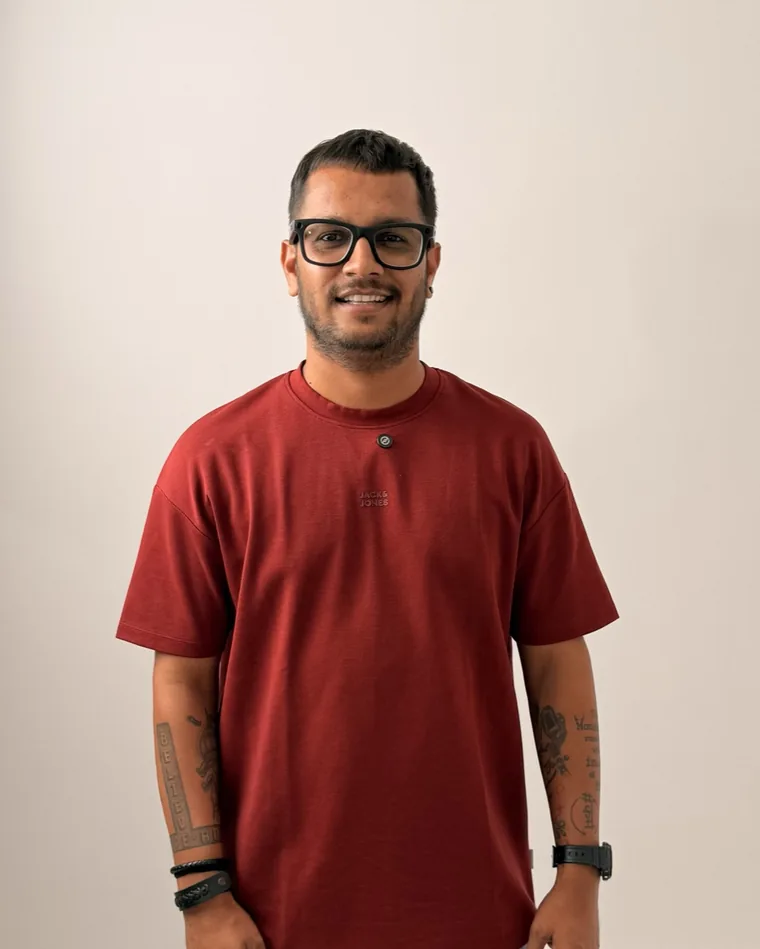
I'm Bhavik Sarkhedi. I built and sold three companies, the biggest with seventy-five people. Now I do thirteen jobs alone on systems I built in Claude, and I still have time for my family.





What changes
A freelancer's week, with and without systems.
- Proposalsgo out days latergo out the same day
- New clientswait for a welcomeget a welcome the moment they say yes
- LinkedIngets you likesbrings you work
- Pricingis charged by the houris charged for the result
- Your websiteis still an ideagoes live this weekend
Five of the jobs every freelancer does around the actual work. Solo, Not Small gives each of them a system, so the hours go back to the work you were hired for, and to the people at home.
The jobs around the work
You were hired for the craft. The rest still lands on you.
A freelancer is a one-person business. Clients pay for the design, the code, the writing or the edit. Nobody pays for the proposal, the onboarding email, the follow-up or the LinkedIn post, and those are the jobs that eat the evenings.
I counted the jobs in my own business and there are thirteen. These are the ones freelancers tell me take the most time:
- The proposal writer. My proposals are twelve pages, eight fixed and four that change per client, and they go out the same day. How I write client proposals with AI shows the page map.
- The onboarding desk. The client gets a welcome before you hang up, not two days later.
- The pricing desk. A system that helps you charge for the result instead of the hours.
- The LinkedIn writer. Posts that bring work, written from your own notes.
- The web developer. I built my own sites with Claude and no developer. Here is how.
 0:58
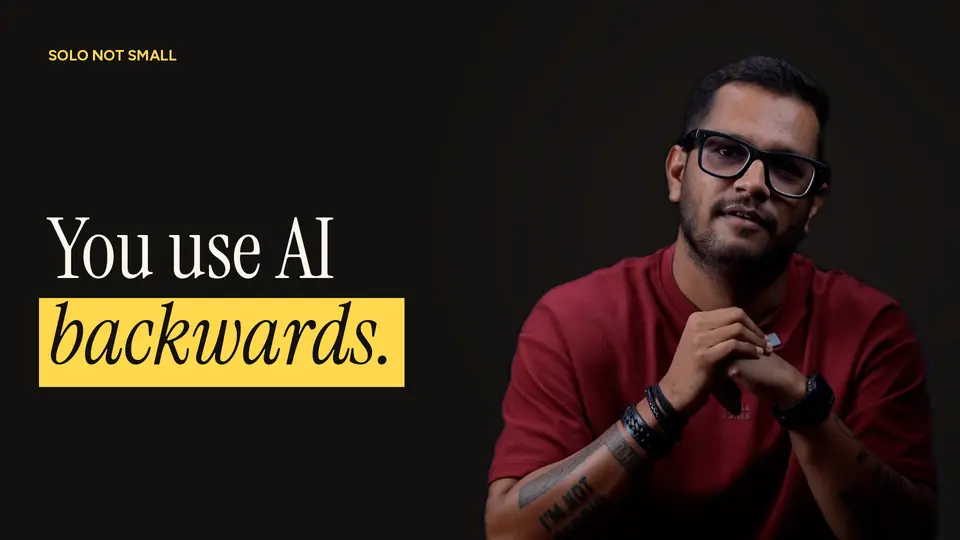
Fifty-eight seconds. Play it before you open ChatGPT again.
Where to start
Most people use AI backwards.
Most people type one line into ChatGPT, spend an hour fixing what comes back, and it still doesn't sound like them. I do it the other way. My thinking goes in first, as a voice note or a rough draft, and then AI works on top of it.
You decide the menu and let AI do the chopping.
That one change is where every system in Solo, Not Small begins. A freelancer who starts from their own draft gets work that sounds like them, in less time than fixing a blank answer.
But also live
This is what the systems bought me.
One person, thirteen jobs, an AI system on each one, and my evenings back.
The systems keep the work moving while I'm away from the desk. This short film, Built to Explore, is what that time looks like for me.
Who it's for
Freelancers who still do it all themselves.
- Designers
- Developers
- Writers
- Video editors
- Marketers
- Anyone billing alone
It is not for you if you want AI to do the client work while you stay out of it. Every system starts from your judgment and your draft. It is also not the right fit if someone else already handles your proposals, onboarding and posts.

Who's behind it
A serial entrepreneur who went solo on purpose.
I grew a company from two people to seventy-five by hiring, and sold it. Now I work alone, and the systems do the jobs a team used to do. The whole story is here.
Three bootstrapped exits: Dad of Ad in 2021, Write Right in 2023 and a third in 2026. Author of 21+ books. Featured in The New York Times, Forbes, Fast Company, HuffPost and Entrepreneur. The longer version is on the About page.
Questions
Before you join the waitlist.
Does AI do the client work for me?
No. The systems cover the jobs around the work: proposals, welcomes, pricing, posts and your website. The design, the code or the writing you are paid for stays yours.
I'm a designer, not a writer. Will it still work?
Yes. Every system starts from your own notes or a voice note. Claude edits, checks and structures them, so you never start from a blank page.
Which AI tool do I need?
Claude. Every system runs inside it.
How much time will it save me?
That depends on how many of these jobs you do today and how you do them. I can only tell you mine: I do thirteen jobs alone and still keep my evenings.
What do I get?
The What you get page lists everything that comes with Solo, Not Small.
When does it open?
Join the waitlist on the homepage. I'll email you when it opens.